
Canadian researchers have discovered a connection between air pollution and immune system changes associated with autoimmune conditions like lupus and rheumatoid arthritis.
McGill University scientists studying over 3,500 people in Ontario found that individuals living in areas with higher levels of fine particulate matter (PM2.5) pollution were more likely to have elevated anti-nuclear antibodies (ANA)—a blood marker associated with autoimmune diseases like lupus and rheumatoid arthritis.
"These results point us in a new direction for understanding how air pollution might trigger immune system changes that are associated with autoimmune disease," said Dr. Sasha Bernatsky, lead researcher and rheumatology expert at McGill. "We know some genetic factors play a role in autoimmune disease, but they don't tell the whole story."
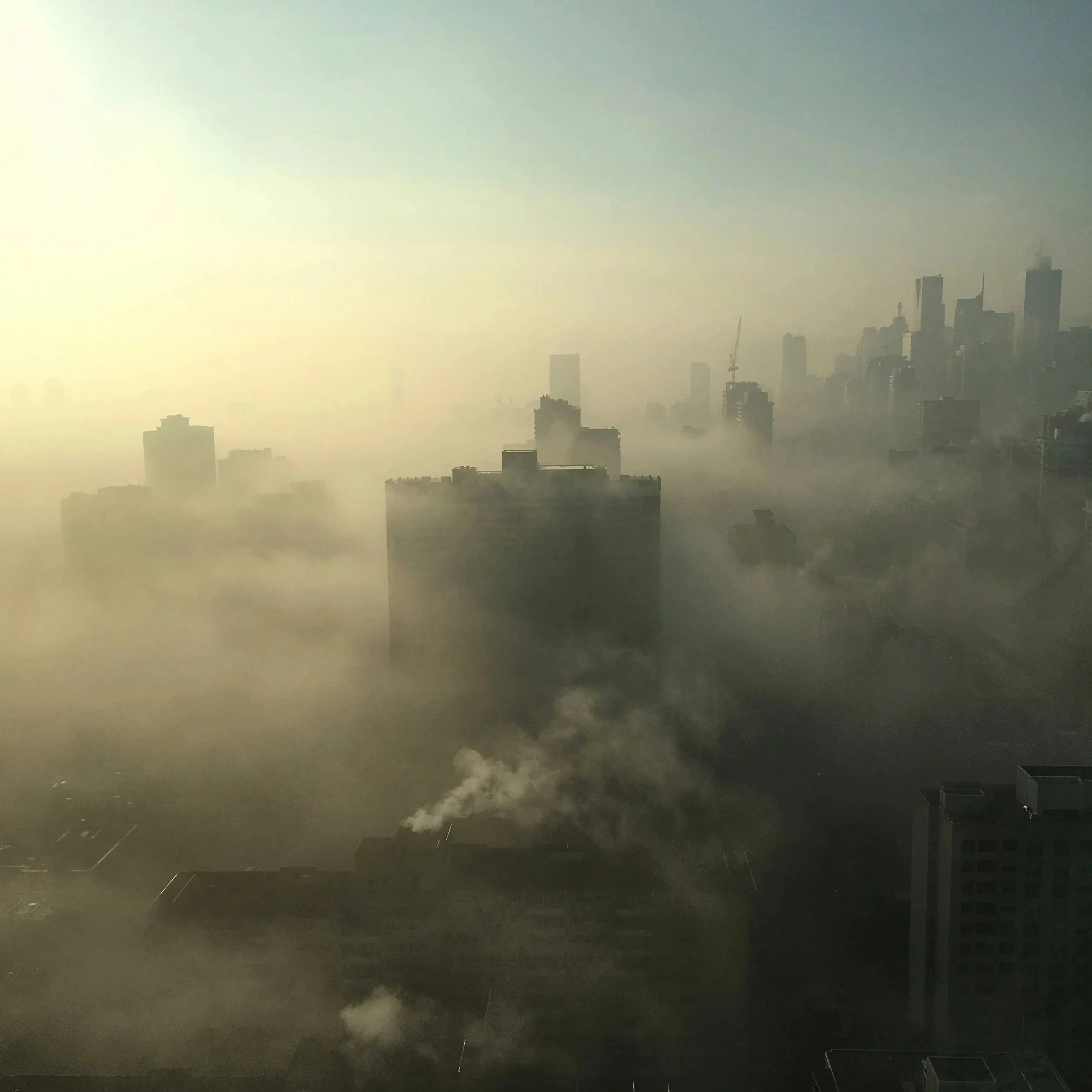
The findings add to growing evidence that air pollution affects far more than respiratory and heart health. Fine particles in pollution are small enough to enter our bloodstream and potentially impact our entire body, including the immune system. Dr. Bernatsky pointed out that air pollution isn't just an urban concern either. While city traffic is one source, rural and suburban communities also experience poor air quality from sources like wildfire smoke—an increasingly common problem.
Autoimmune diseases like lupus already disproportionately affect women and non-white populations, including Indigenous peoples. This means that communities already at higher risk may face additional environmental triggers. Lower-income communities are sometimes closer to industrial emmitter or major roadways that contribute to a greater risk of developing autoimmunity. A 2017 study, also led by Dr. Bernatsky, showed that those living close to industrial sources of fine particles was more likely to have elevated blood markers associated with rheumatoid arthritis.
For those living with or at risk for autoimmune conditions, this research highlights another environmental factor that may influence disease development—and reinforces the importance of advocating for cleaner air in all communities.