
Could a New Therapy Replace Hours-Long IVIG Infusions?
Living with an autoimmune disease often means navigating limited treatment options. Most current medications work by broadly suppressing the immune system, which can leave patients vulnerable to infections and other complications.
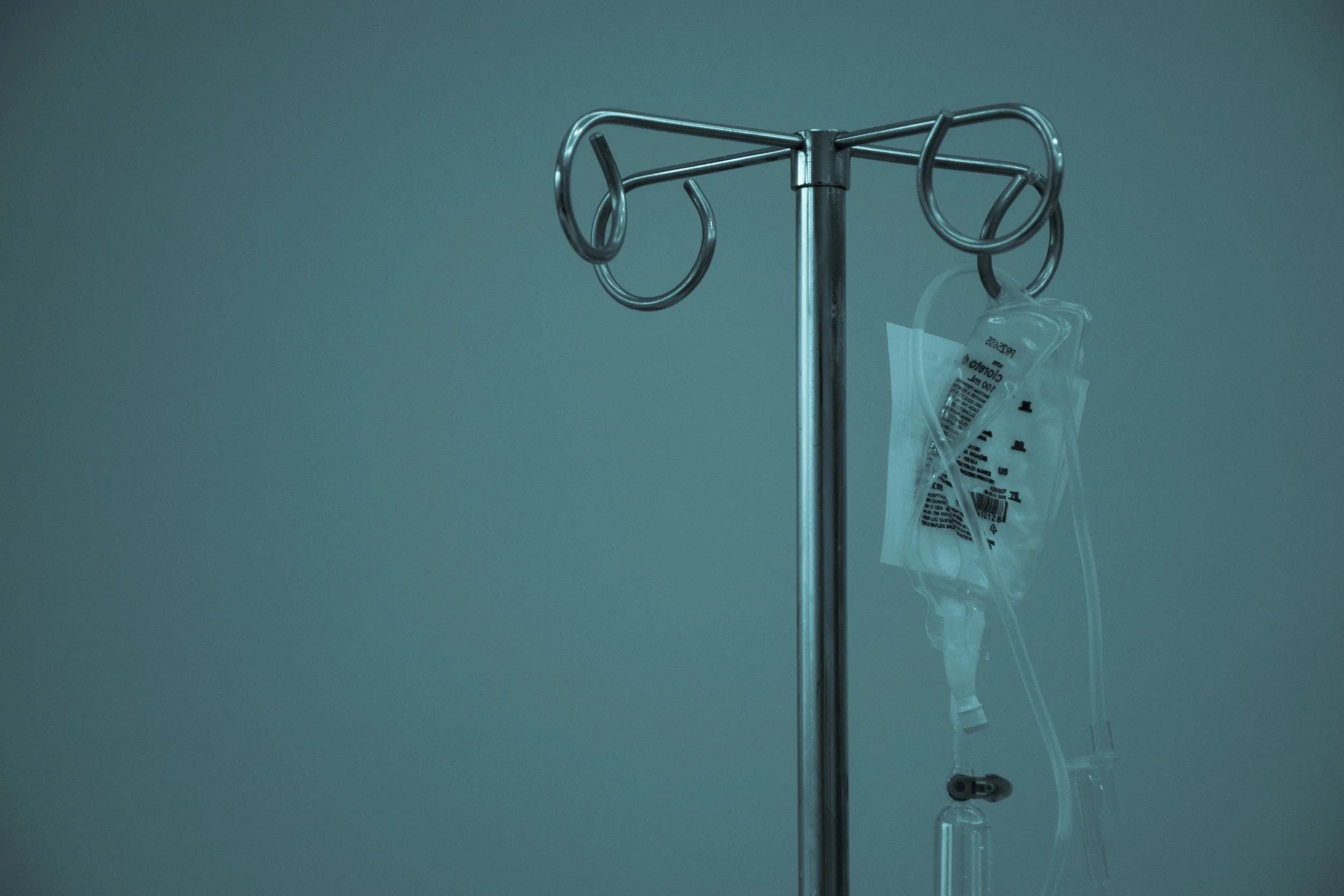
One important exception has been IVIG (intravenous immunoglobulin) therapy—a treatment that uses naturally occurring IgG antibodies to counteract inflammation. IVIG is prescribed off-label to treat more than 80 autoimmune conditions, offering relief when other medications fall short. However, it comes with significant challenges: treatments involve IV infusions that can take hours, require frequent visits, and are expensive. Additionally, because IVIG is sourced from donated blood, supply shortages remain an ongoing concern.
Researchers at Rockefeller University's Leonard Wagner Laboratory of Molecular Genetics and Immunology, led by Dr. Jeffrey V. Ravetch, have been working to address these limitations. Their efforts have already produced NVG-2089, a drug currently in phase 2 clinical trials that achieves the same effectiveness as IVIG at just one-tenth the dose. Now, the team has gone even further.
In findings recently published in Science, Dr. Ravetch’s team engineered a modified molecule called V11 sFc that could be even more powerful than traditional IVIG therapy. The research team discovered that the anti-inflammatory activity of IgG antibodies depends on the coordinated binding of certain receptors and proteins to these antibodies. Specifically, they discovered that the binding of a receptor called FcγRIIB and a protein called DC-SIGN plays a key role in driving anti-inflammatory activity through enhancing the signaling ability of sialylated IgG antibodies (a sugar-coated form of IgG that helps reduce inflammation).
Researchers then created V11 sFc from sialyated IgG antibodies engineered to have enhanced binding to FcγRIIB receptors. They synthesized these antibodies in a lab and tested them on mice models engineered to express human antibody receptors. In mice with induced arthritis, joint swelling decreased within three days of treatment using just one-hundredth of the typical IVIG dose. Similar results were observed in a multiple sclerosis model, where V11 sFc prevented cell destruction and reduced neuroinflammation.
Importantly, this approach works by enhancing the body's own homeostatic mechanisms rather than eliminating immune components entirely. As Dr. Ravetch explains, "Rather than eliminating autoantibodies and autoreactive T cells, we're raising the threshold for these pathogenic elements to trigger inflammation."
If V11 sFc successfully develops into an approved therapy, it could dramatically improve quality of life for people living with autoimmune diseases. Instead of spending hours connected to an IV multiple times per week or month, patients might receive equally effective treatment in about an hour once a month. The therapy would also maintain patients' immune function rather than compromising it. While this research is still in early stages, it represents meaningful progress toward more effective, accessible, and patient-friendly treatments for the autoimmune community.